Why A Spade-Cut Edge Makes More Difference Than New Plants
The cheapest way to make a garden look professionally kept is a defined edge and even mulch. Neither costs much, and both are what a passer-by actually registers.
Gardens composed for year three rather than planting day: levels resolved, sight lines considered, and detailing precise enough that nobody can say why it looks right.
Maintenance, hardscape, planting and lighting, finished to a standard that shows in the edges rather than the flowers.
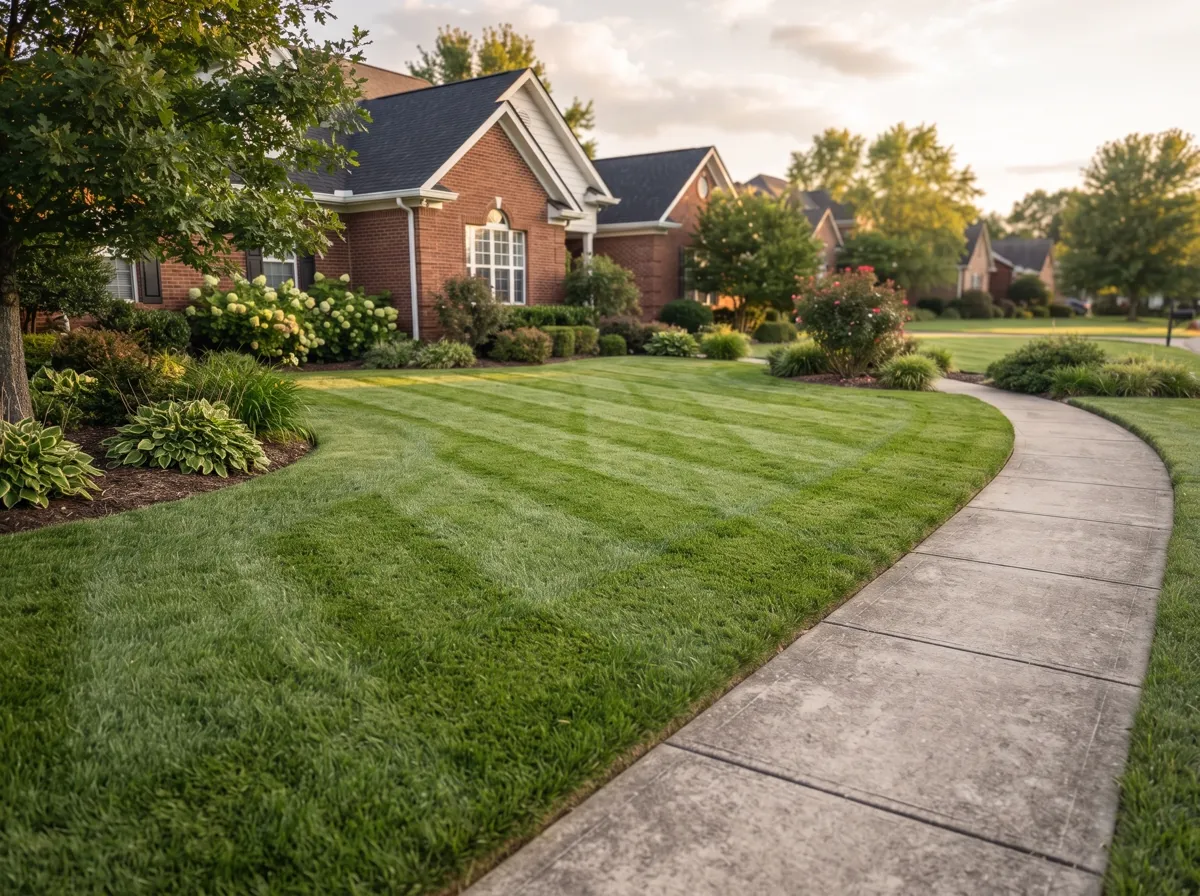
Mowing, edging, beds and blow-down — the same crew, the same day, and nothing left on the drive.
Learn more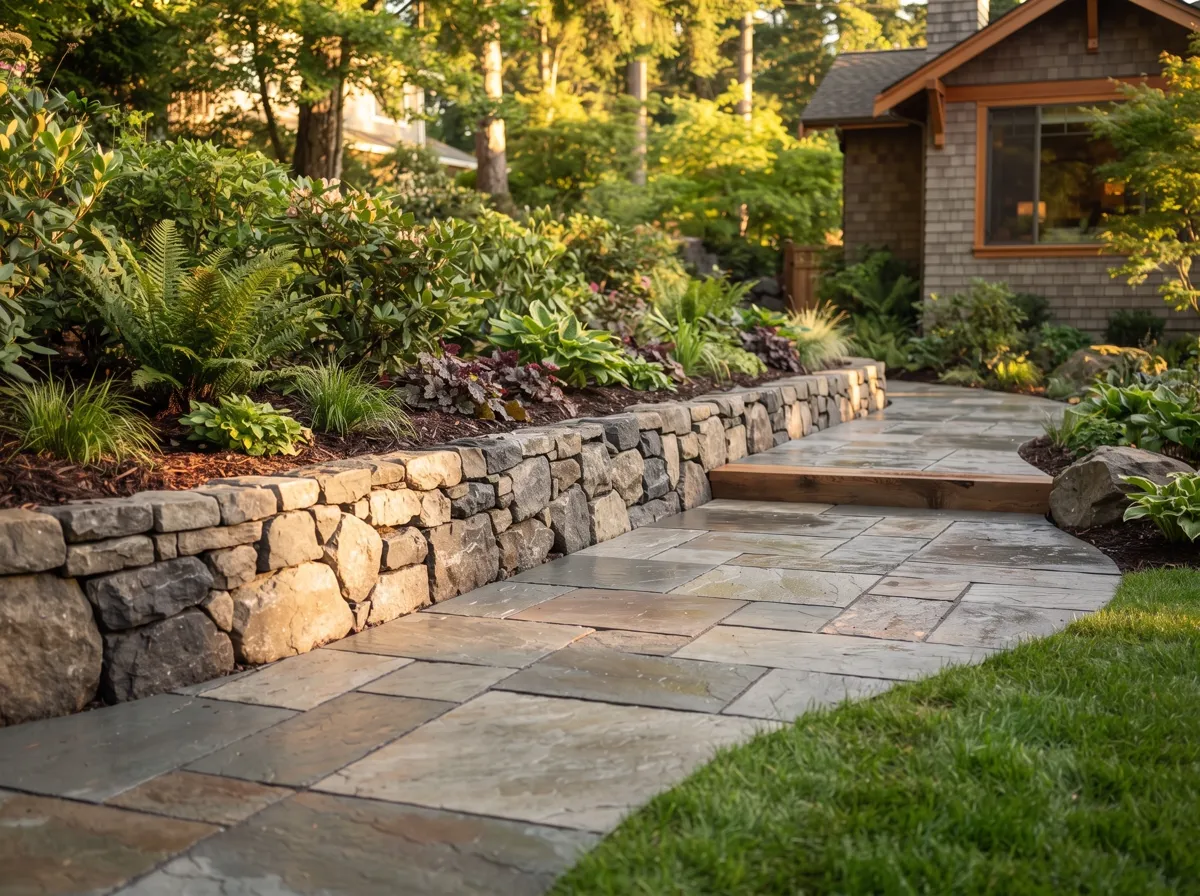
Flagstone, pavers and retaining walls built on a base that will not move — the part you never see is the part that lasts.
Learn more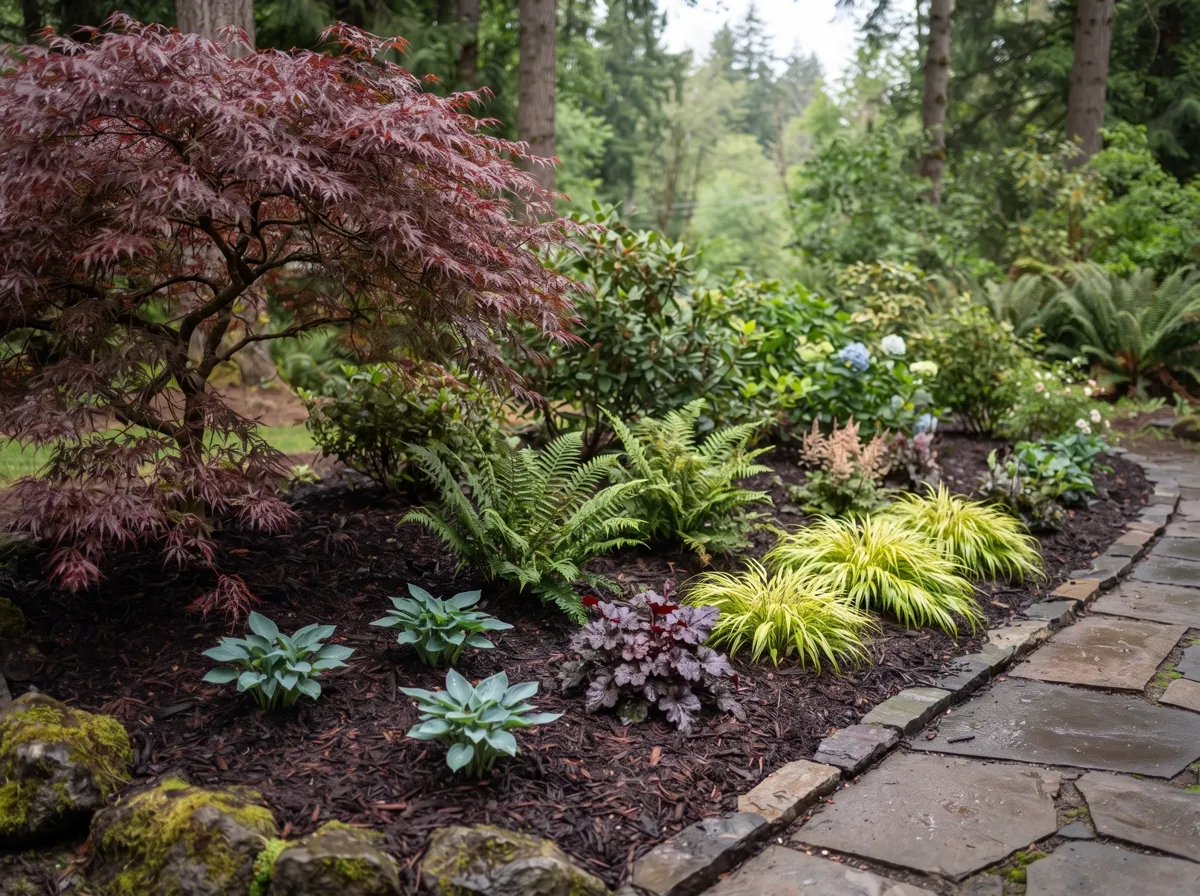
Beds composed for how they will look in year three, using plants that actually want to live in this climate.
Learn more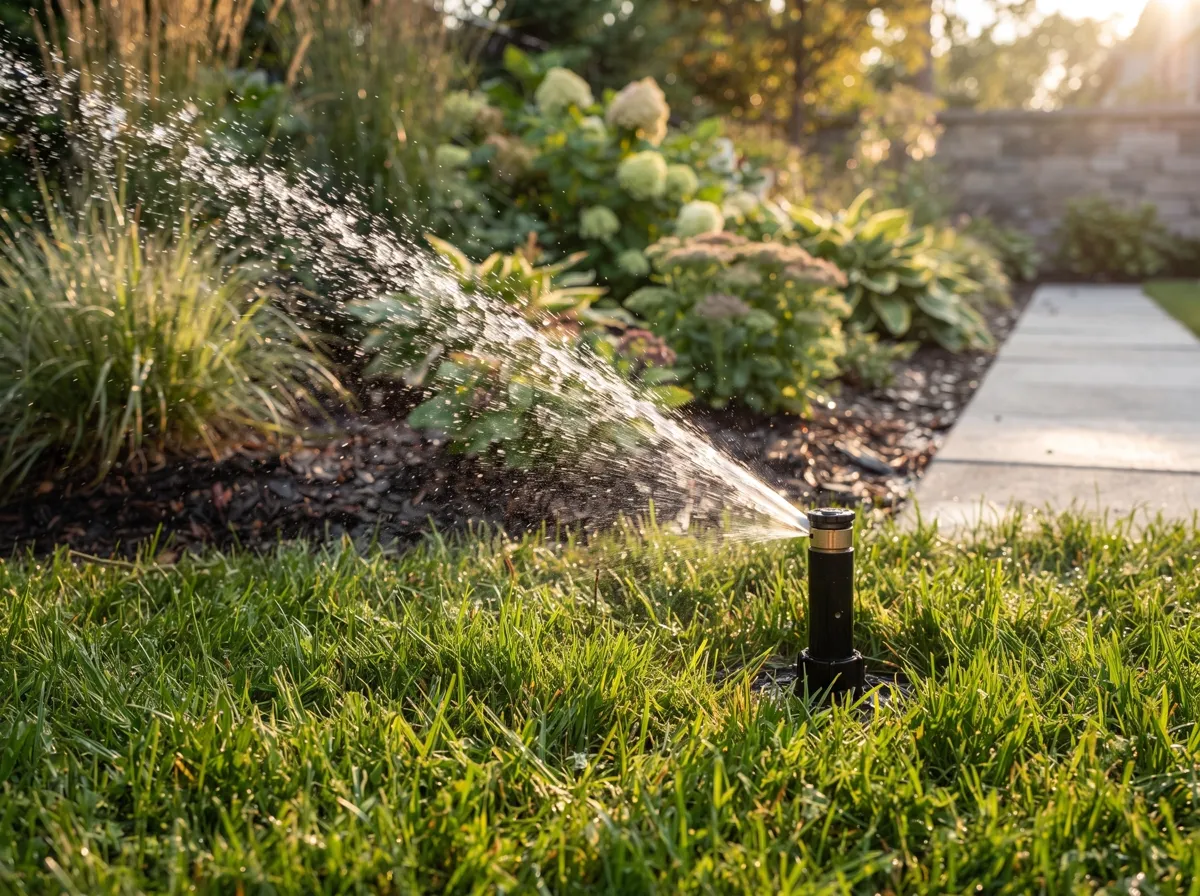
Systems zoned properly, heads that water the lawn instead of the pavement, and somewhere for winter rain to go.
Learn more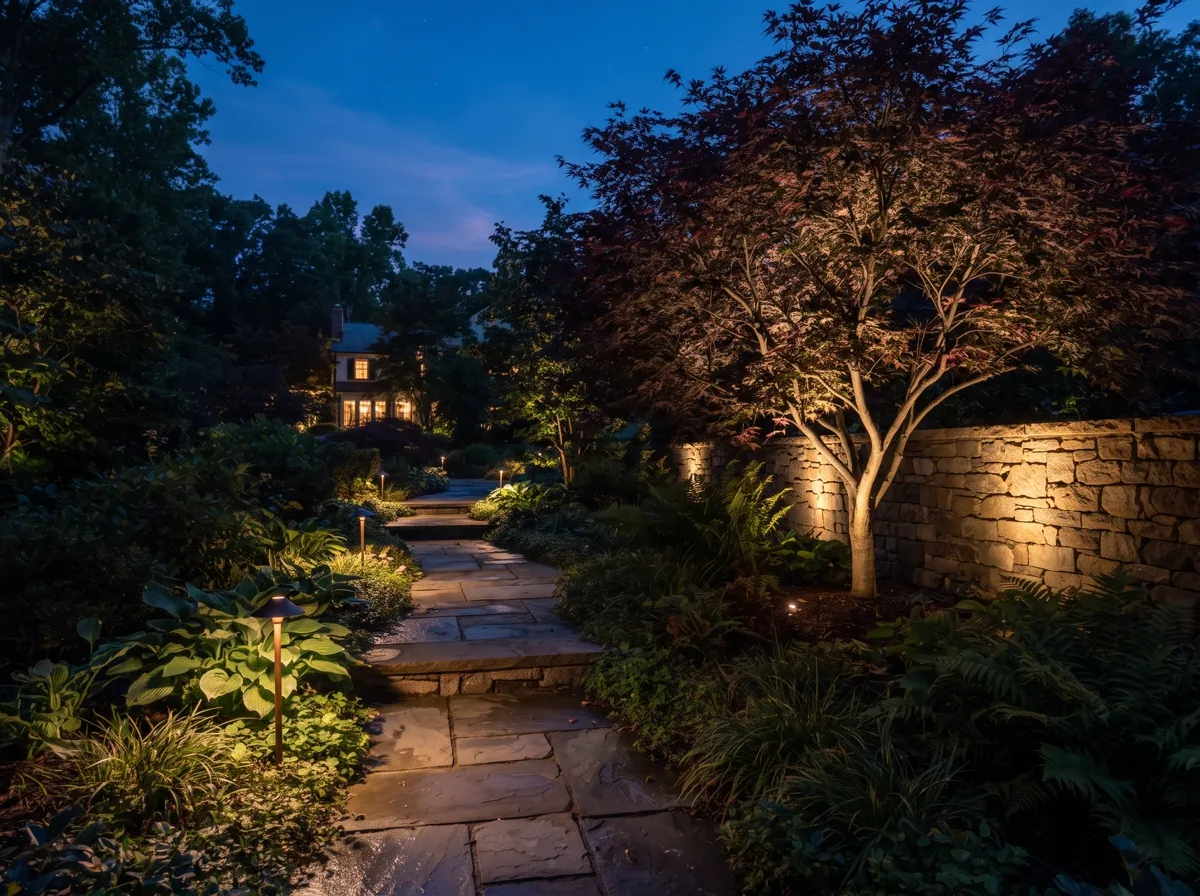
Low-voltage path and accent lighting, aimed so you see the garden rather than the fixtures.
Learn more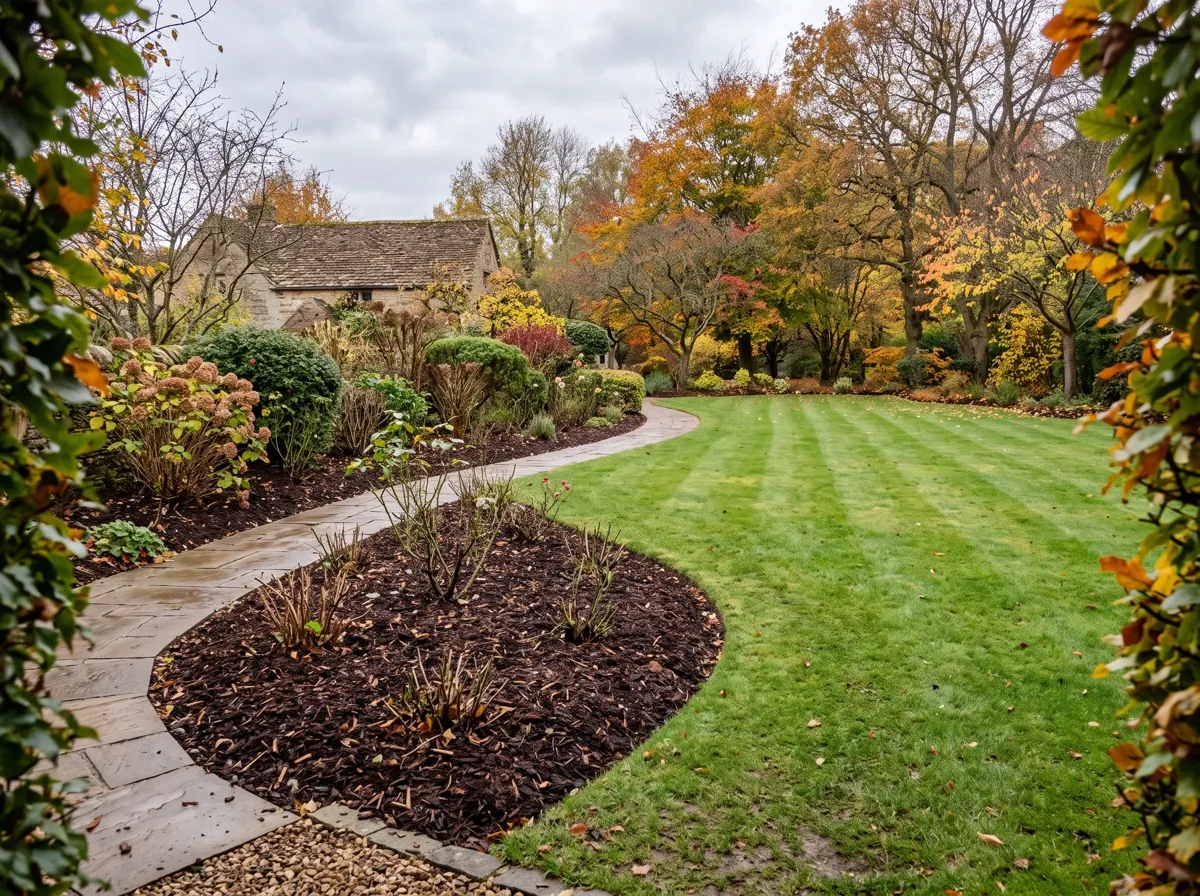
Spring start-up, autumn leaves and cut-back, and storm debris cleared — the two visits a year that reset everything.
Learn moreWhat you want it to look like, what you actually enjoy doing yourself, and what has never worked in that one wet corner.
For maintenance, the visit price and the day of the week you are on. For a project, a fixed price and a start date — not a range.
People who learn your garden, know which shrub you are protective of, and notice when something has changed.
Weather moves schedules and anyone who says otherwise is guessing. You get a message, not a mystery — and the visit gets made up.
Edges cut, hard surfaces blown clean, gates shut and nothing on the drive. The last two minutes are the ones people remember.
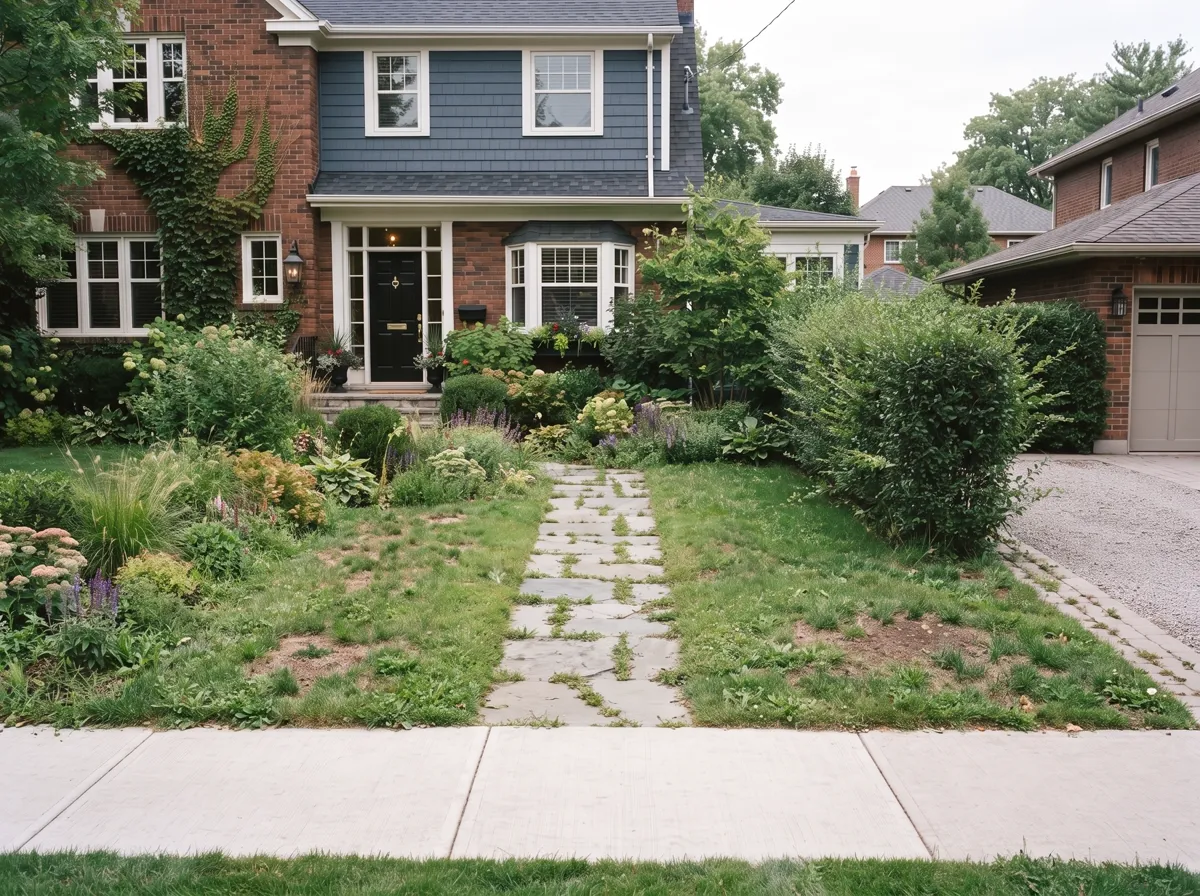
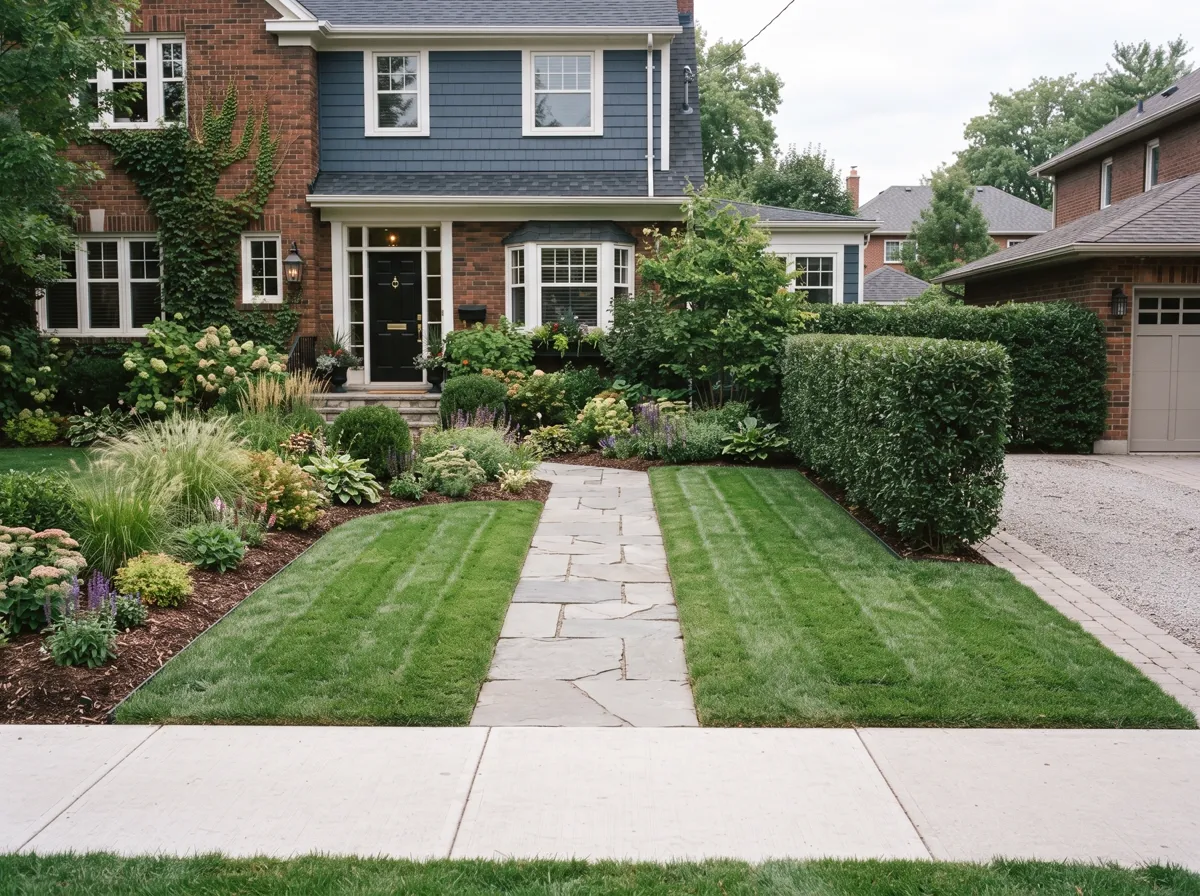 BeforeAfter
Drag the slider. Nothing was moved and nothing was rebuilt — the difference is a defined edge, even mulch, the right plants and somebody coming back every week.
"Three crews before this one just stopped coming, usually in August. Two years in and they have missed one visit, which they texted me about the morning of and made up that Friday."
"The wet corner nobody could fix turned out to be a drainage problem, not a plant problem. They said so, fixed the grade, and it has been fine through two winters."
"Same two guys every Tuesday for three years. They know which hydrangea my mother planted and they work around it without being asked."
"Three crews before this one just stopped coming, usually in August. Two years in and they have missed one visit, which they texted me about the morning of and made up that Friday."
"The wet corner nobody could fix turned out to be a drainage problem, not a plant problem. They said so, fixed the grade, and it has been fine through two winters."
"Same two guys every Tuesday for three years. They know which hydrangea my mother planted and they work around it without being asked."
We route by neighborhood rather than scattering across the metro, which is how the same crew reaches you on the same day every week. Most of our rounds are in inner southeast Portland; if you are just outside one, ask — sometimes a street is a short hop from an existing route and sometimes it honestly is not.
Yes, and it is the thing we protect hardest. A crew that knows your garden notices the shrub that is struggling and the gate that sticks; a rotating crew mows it and leaves. It is also the honest reason we grow slowly and route by neighborhood.
Around here, quite a lot. If a visit cannot happen safely or would damage soft ground, we move it and message you the same morning rather than letting you wonder. It gets made up, not skipped.
No. Maintenance is month to month — leave whenever it stops being worth it. Committing for a season sometimes gets you a better slot in spring, and we will say so, but you will never be locked in.
It depends on the size of the garden and how much of it is beds rather than lawn, so we price after walking it. You get a per-visit number and the day you are on, both in writing, before anything starts.
Yes. For most gardens a walkthrough plus a simple plan is enough; for a larger project we will draw it properly so you can see the levels and the sight lines before anyone digs. Either way you own the plan.
Earlier than feels necessary. Spring is oversubscribed everywhere and autumn cleanup is the second rush, so the best time to book a patio or a planting scheme is the winter before you want it — better dates, and usually better prices.
Yes — CCB #228470, bonded and carrying full liability and workers' comp coverage. Worth checking with anyone who brings machinery onto your property.
Sellwood, Woodstock, Eastmoreland, Milwaukie, Brooklyn, Reed, Westmoreland, and Creston-Kenilworth.
Written for people who want a garden that looks after itself a bit better, which is a strange thing for a maintenance company to publish and the reason people stay.
Lawn Care
The cheapest way to make a garden look professionally kept is a defined edge and even mulch. Neither costs much, and both are what a passer-by actually registers.
Planting
A bed that looks full on day one is a bed that will be overcrowded by its second summer. How to space properly and live with the gap in the meantime.
Drainage
In this climate drainage decides what will grow and what will rot. The wet corner is rarely a plant problem, and no amount of replanting fixes it.
Bring us the garden that has never quite worked — the slope nobody solved, the wet corner, the bed that looks thin every August. We will walk the levels and the light and tell you what would actually fix it.
This is a demonstration. A working version — answering from your own services and prices, day or night — is included with every Atlas9 site.