General Contractor Or Hire The Trades Yourself? An Honest Answer
For one trade, hire the trade. The moment a job crosses two, somebody has to own the sequence and the seams — and if you do not hire that person, you are that person.
Rooflines that resolve, trim that matches, and structure you will never see. Design-build sensibility with a contractor's schedule underneath it.
Additions, whole-home work, exteriors and restoration, detailed so the new work and the old house read as one building.

Rooms added, walls opened, foundations and framing corrected — engineered, permitted, and built to look like it was always there.
Learn more
Multi-room and whole-house projects sequenced so the trades follow each other properly instead of tripping over each other.
Learn more
Tear-off, decking inspected, and gutters sized to the roof that is actually on the house — not the one that was there before.
Learn more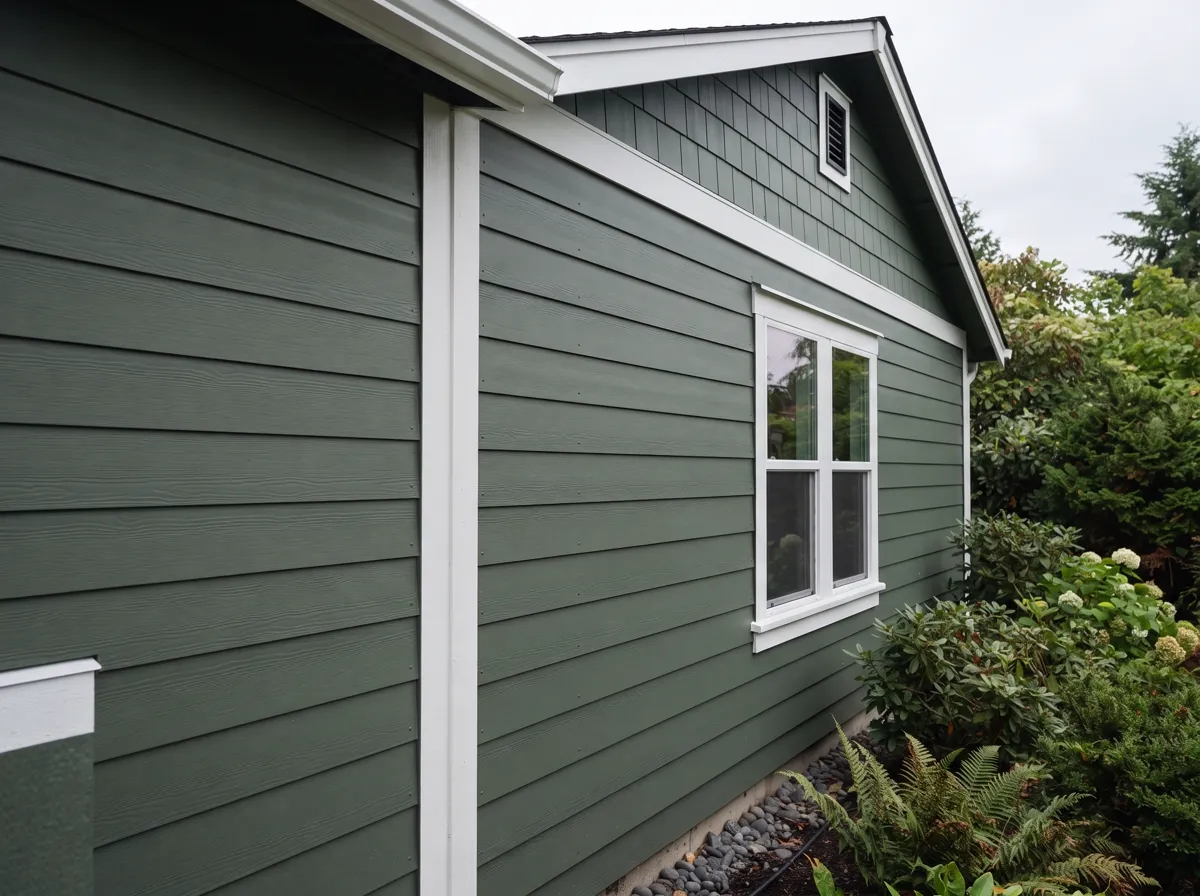
Siding, trim, windows and the weather barrier behind them. What keeps water out is the part nobody photographs.
Learn more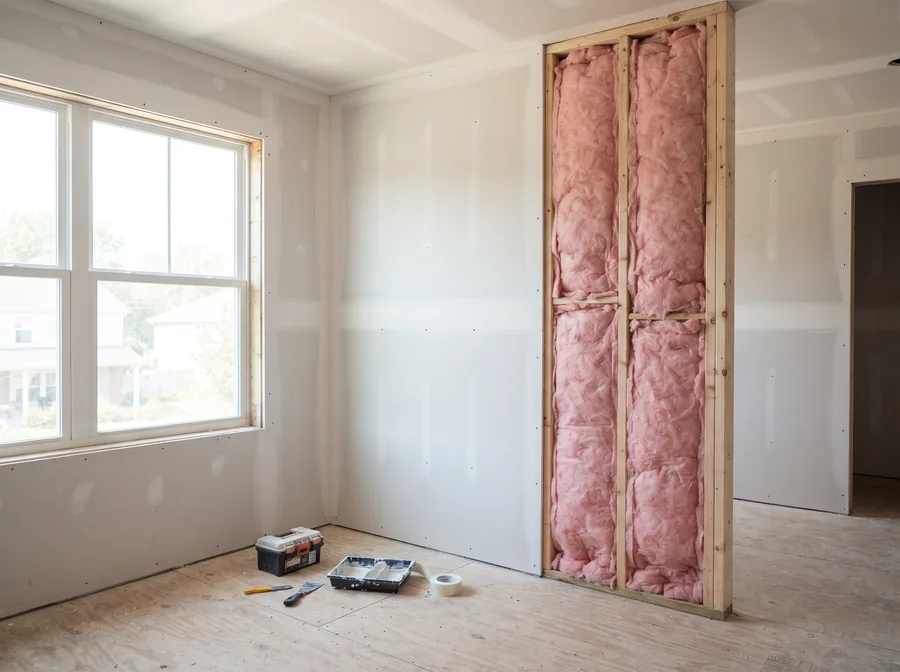
Damage documented the way carriers need it, then rebuilt properly rather than to the minimum the claim would cover.
Learn more
The rooms with plumbing, electrical and tile all in one place — which is why they go wrong when nobody is sequencing them.
Learn moreNot just the room you called about. Problems travel — a roof leak is a drywall job and sometimes a framing job, and it is cheaper to find that now.
One written scope covering every trade, one fixed price, and real dates. If a permit or an engineer is needed, that is in the schedule rather than a surprise later.
We pull them, we schedule the inspections, and we keep the paperwork clean so it holds up when you sell the house.
The same person runs your job every day and coordinates every sub. You get one number, and you are never the one chasing a trade.
Punch list closed with you standing there, final inspections signed off, and the site left clean.
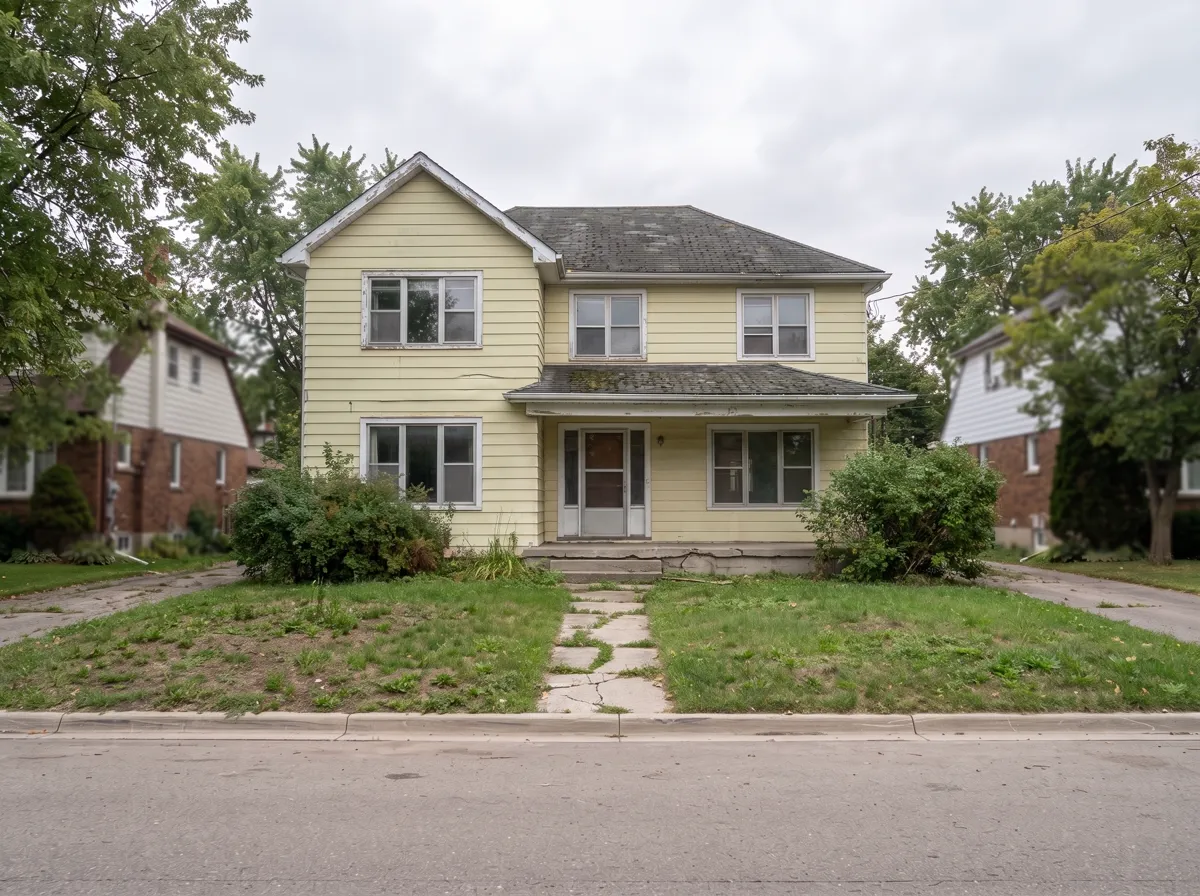
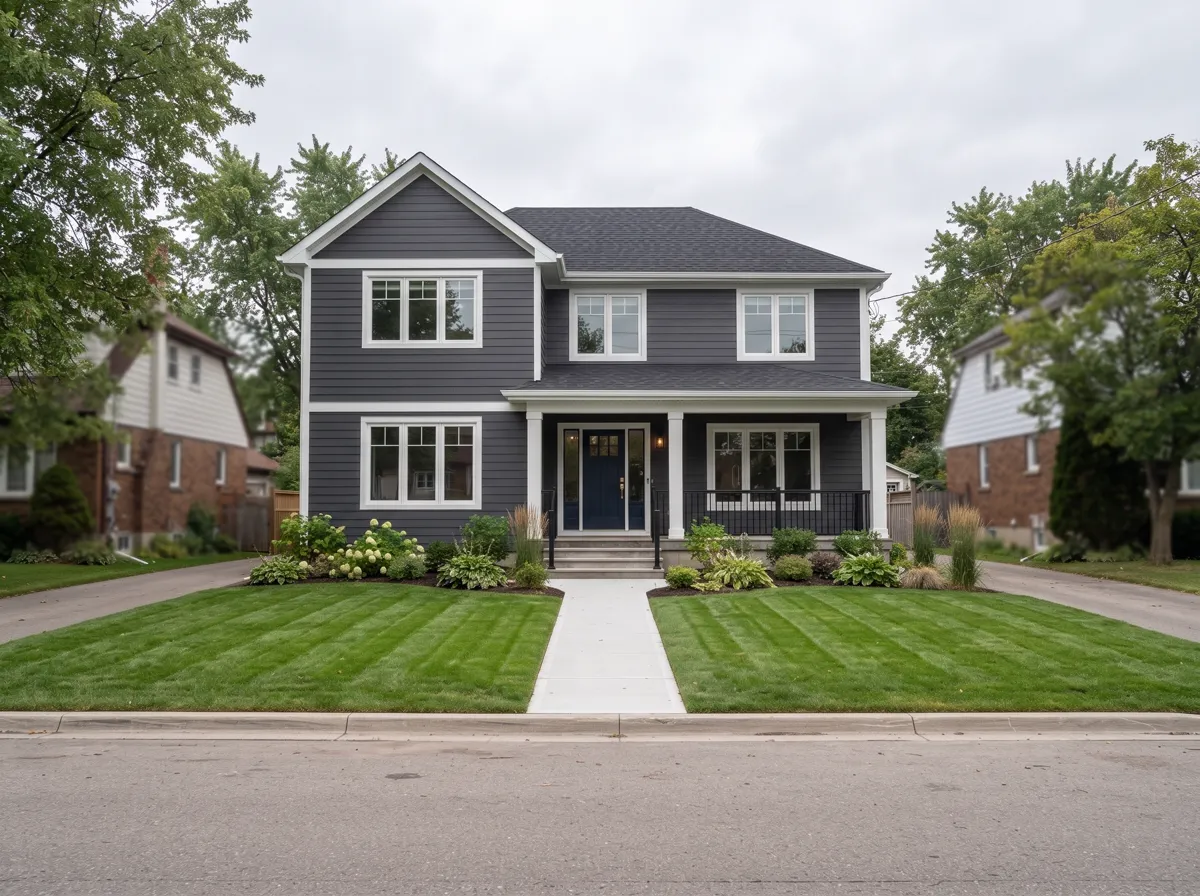 BeforeAfter
Drag the slider. Roof, siding, windows, porch and grading — one contract, and a house that reads as designed rather than repaired.
Call us first. We photograph and write up the damage while it is still fresh, meet your adjuster on site, and make sure the scope covers what actually has to be rebuilt rather than the minimum the claim would pay. You handle your deductible; we handle the rest and do the repair.
"We had a roofer, a siding guy and a framer all telling us the water damage was somebody else's department. These people walked the whole house, found where it was actually getting in, and gave us one price to fix all of it."
"The addition matches so well that visitors ask which part is new. Permits, the engineer, the inspections — none of that ever landed on us, which is exactly what we were paying for."
"They met our adjuster on site and pushed back on a scope that would not have rebuilt the wall properly. I would not have known to argue. Same crew lead every morning for eleven weeks."
"We had a roofer, a siding guy and a framer all telling us the water damage was somebody else's department. These people walked the whole house, found where it was actually getting in, and gave us one price to fix all of it."
"The addition matches so well that visitors ask which part is new. Permits, the engineer, the inspections — none of that ever landed on us, which is exactly what we were paying for."
"They met our adjuster on site and pushed back on a scope that would not have rebuilt the wall properly. I would not have known to argue. Same crew lead every morning for eleven weeks."
Most of our work is in east Multnomah County and the communities around it. If you have a project that crosses trades — or a problem you have already been told is somebody else's department — call and we will tell you straight whether it is ours.
For a single-trade job, don't — call the roofer. It is worth it the moment the work crosses trades, because somebody has to own the sequence, the permits and the overlap. Hiring five subs yourself means you are the general contractor, and the parts that go wrong are the seams between them.
It depends on scope and on what the house is hiding, and anyone who prices it before walking the property is guessing. What we will promise is a free walkthrough and then one written scope and price covering every trade, so you can see what you would actually be giving up if you went cheaper.
Yes, on anything that requires them. We pull the permits, bring in a structural engineer where the work needs one, schedule the inspections and keep the paperwork — which is what makes it clean when you sell.
Both, and you should ask every contractor this. We self-perform the carpentry and run the same crew lead on your job every day; licensed subs do the electrical, plumbing and mechanical, because the law requires it and because a specialist is better at it. What does not change is who is accountable.
We stop, photograph it, and give you options with prices before doing anything. Older homes hide previous repairs, water damage and framing that was never right — finding it is normal. Hiding it until the final invoice is not.
Yes, and it is a large part of what we do. We document the damage the way carriers need it, meet your adjuster on site, and make sure the approved scope covers what actually has to be rebuilt. Call us before the adjuster comes out if you can.
You get real dates in writing before we start rather than a range. What moves them is usually permits and weather, not us, and you hear about it the same day it happens.
Yes — CCB #198432, bonded and carrying full liability and workers' comp coverage. Ask us for the certificates and ask every other bidder too; on permit-heavy work it matters more than the price.
Gresham, Troutdale, Fairview, Wood Village, Corbett, Damascus, Happy Valley, and Portland.
Written for homeowners about to take on something big, and trying to work out who should be running it.
Hiring A Contractor
For one trade, hire the trade. The moment a job crosses two, somebody has to own the sequence and the seams — and if you do not hire that person, you are that person.
Insurance Restoration
Photograph everything before anything is moved, stop the water, and get a contractor's scope written before the adjuster sets the number. The order matters more than the speed.
Additions
Roof pitch, trim profile, window proportion and siding reveal. Get those four wrong and no amount of matching paint saves it; get them right and nobody can tell where the old house ends.
Bring us the project everyone else has broken into pieces. We will walk the whole property, talk through what is structural and what is finish, and put one scope and one price in writing — no obligation and no follow-up calls.
This is a demonstration. A working version — answering from your own services and prices, day or night — is included with every Atlas9 site.