The first hours decide the claim
What you do before you call your carrier matters more than how fast you call. Photograph everything from several angles, including the things you want to throw away, and write down when it happened. Stop the water if you safely can. Do not gut anything yet — demolition that happens before the damage is documented is damage nobody can prove, and it is the most common reason a claim comes back short.
Why a first scope often falls short
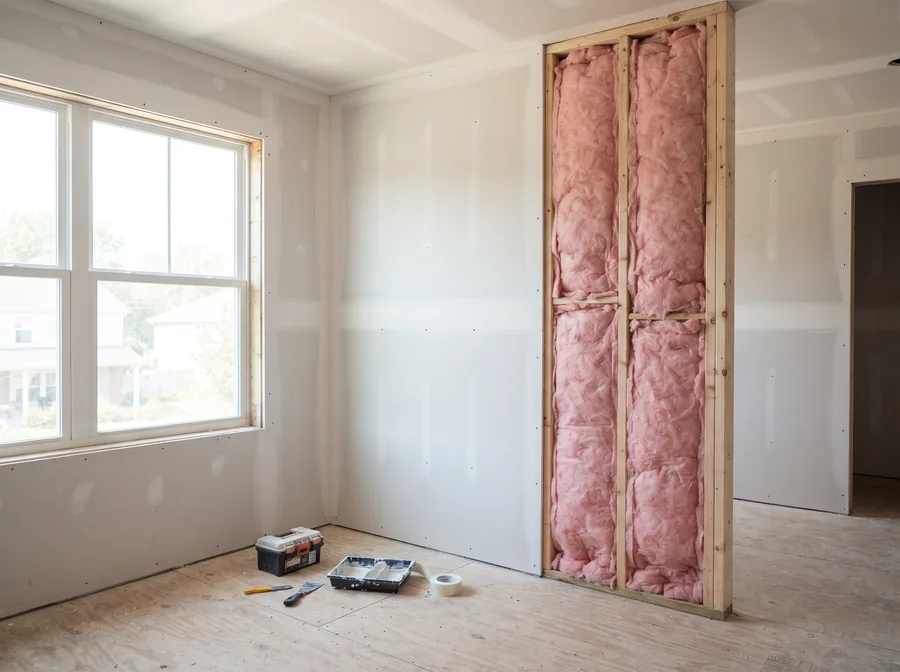
An adjuster writes what they can see on the day they visit. Behind wet drywall there is usually wet insulation, sometimes wet framing, and occasionally something that has to come out to code rather than back the way it was. That is what a supplement is for: documented extra damage, sent in with photos while the wall is still open. Most carriers will look at it, but nobody can promise you what they decide, and any contractor who does is guessing.
Rebuilt, not patched to the number
We write the scope for what has to be rebuilt and then tell you plainly where that sits against what is approved, so you can decide with real information. One thing we will not do: your deductible is yours to pay. A contractor who offers to make it disappear is asking you to put your name on a claim that is not true, and that is worth walking away from.
How We Run A Job
- 01
Walk The Whole Property
Not just the room you called about. Problems travel — a roof leak is a drywall job and sometimes a framing job, and it is cheaper to find that now.
- 02
Scope, Price And Schedule
One written scope covering every trade, one fixed price, and real dates. If a permit or an engineer is needed, that is in the schedule rather than a surprise later.
- 03
Permits And Approvals
We pull them, we schedule the inspections, and we keep the paperwork clean so it holds up when you sell the house.
- 04
One Crew Lead, Start To Finish
The same person runs your job every day and coordinates every sub. You get one number, and you are never the one chasing a trade.
- 05
Walk It Before We Call It Done
Punch list closed with you standing there, final inspections signed off, and the site left clean.
Storm, Water & Fire Restoration: common questions
Should I call you or my insurance company first?
Call us first if the damage is not an emergency. We photograph and write up what happened while it is fresh, which gives you something concrete to file against. If water is still running or the house is not safe, deal with that first and call us right after.
What if the approved amount does not cover the repair?
Then we document the difference and file a supplement with photos and measurements, which is the normal process for damage nobody could see on the first visit. We cannot tell you how a carrier will rule. What we can do is make sure the request is specific and backed up, instead of a bigger number with no evidence behind it.
Can you handle the paperwork with my adjuster?
We meet your adjuster on site, walk the damage together, and provide our scope, photos and measurements. You stay the policyholder and the decisions stay yours — we are the contractor, not your representative in the claim, and that line is worth keeping clear.
Building throughout east Multnomah County
Most of our work is in east Multnomah County and the communities around it. If you have a project that crosses trades — or a problem you have already been told is somebody else's department — call and we will tell you straight whether it is ours.